Tuesday, 3 May 2011

Lisbon, Portugal : Tale Of The Moorish City

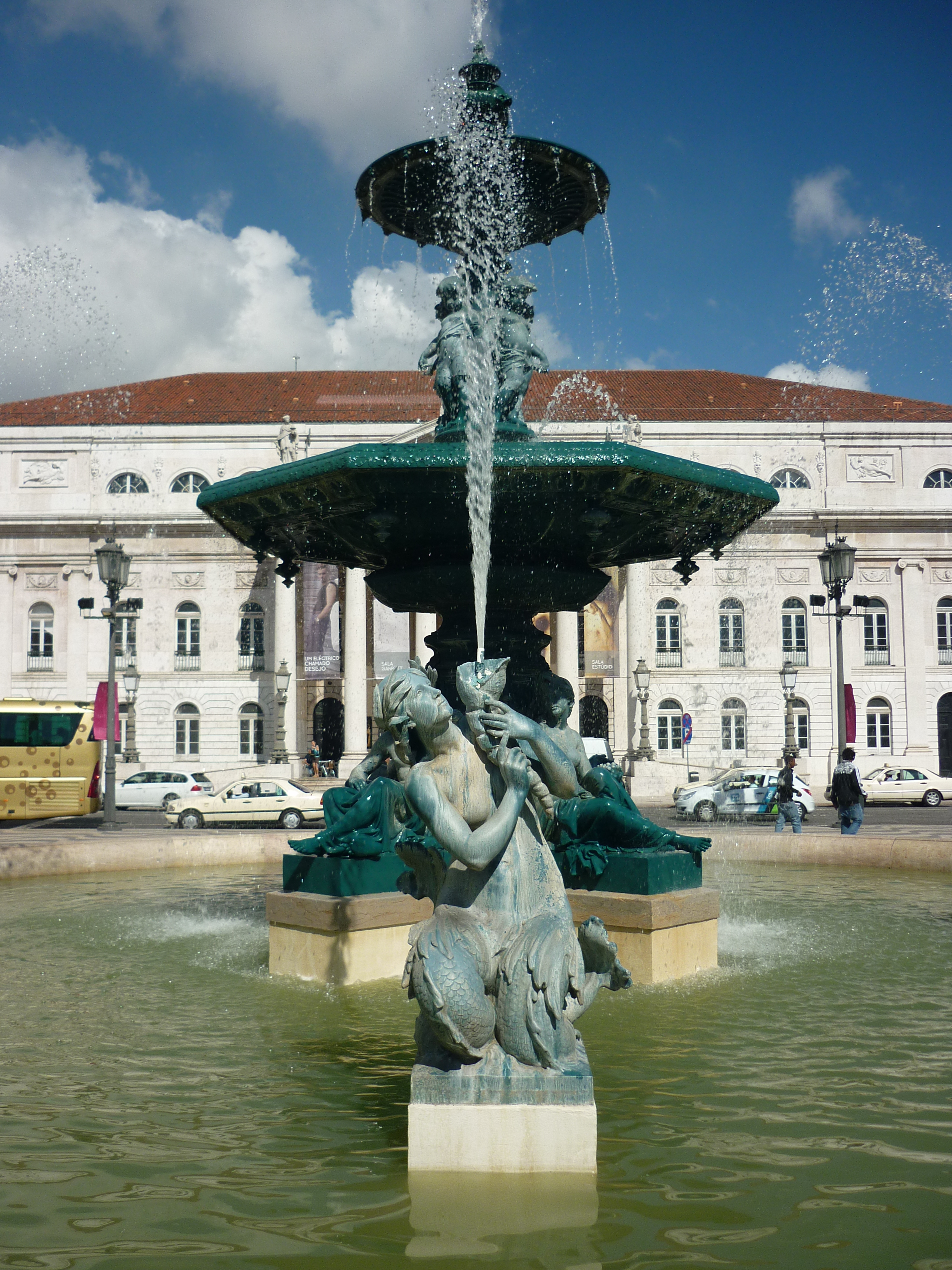
File:Fountain in Don Pedro IV square, Lisbon.jpg

Fountain In Don Pedro IV Square


File:ArcoDoTriunfoLisboa1.JPG
Rua Augusta Arch

Farol da Guia

Farol da Guia Light House , Lisbon

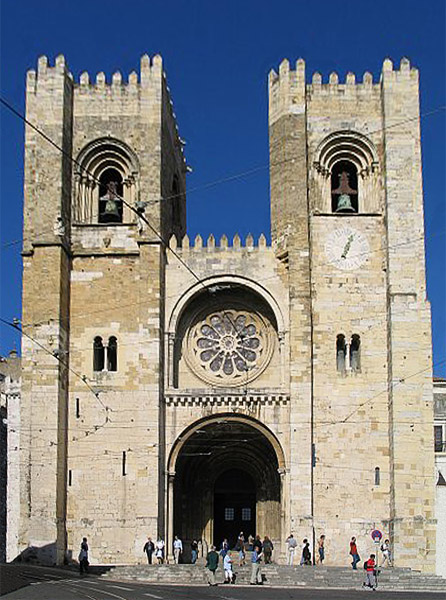
File:Se de Lisboa Frente.JPG
Se De Lisboa Frente

The Moorish influence is still present in Alfama, the old part of Lisbon that survived the 1755 Lisbon earthquake. Many placenames are derived from Arabic; the Alfama, the oldest existing district of Lisbon, for example, is derived from the Arabic "al-hamma".
For a brief time during the Taifa period, Lisbon was the centre town in the Regulo Eslavo of the Taifa of Badajoz, and then as an independent Taifa ruled by Abd al-Aziz ibn Sabur and Abd al-Malik ibn Sabur sons of Sabur al-Jatib (Sabur the Slav), a Slav that had been at the service of al-Hakam II before ruling the Taifa of Badajoz.
In 1147, as part of the Reconquista, crusader knights led by Afonso I of Portugal, besieged and reconquered Lisbon. The city, with around 154,000 residents at the time, returned to Christian rule.The reconquest of Portugal and re-establishment of Christianity is one of the most significant events in Lisbon's history; although it is known through the chronicle Expugnatione Lyxbonensi, attributed to Osburnus, that there was a bishop in the town that was killed by the crusaders and that the population was praying to the Virgin Mary when afflicted with plague, which indicates that the Mozarab population followed the Mozarabic rite.
Arabic lost its place in everyday life. Any remaining Muslim population were converted to Roman Catholicism by force, or expelled, and the mosques were turned into churches.


Faro, Portugal ; A must visit place

File:MarinaFaro.JPG
Faro is a city in the Faro Municipality in southern Portugal. It is the seat of the Faro District and capital of the Algarve region. The Algarve and Faro district cover the same territory.
With the advent of Moorish rule in the 8th century, Ossonoba retained its status as the most important town in the southwest corner of the Iberian Peninsula. In the 9th century, it became the capital of a short-lived princedom and was fortified with a ring of defensive walls. At this time, the name Santa Maria began to be used instead of Ossonoba.
Later on, the town was known as Harun (from a local Muslim chieftain), hence its current name, Faro. During the 500 years of Moorish rule there were some Jewish inhabitants in Faro who wrote copies of the Old Testament. One of Faro's historical names in Arabic is أخشونبة. The Moors were defeated by the forces of the Portuguese King Afonso III in 1249. With the decline of the importance of the city of Silves, Faro took over the role of administration of the Algarve area.
The Earl of Essex sacked the town in 1596 and seized the library of the Bishop of Faro. These books were later donated to the University of Oxford, becoming part of the Bodleian Library.


I love Albufeira, Portugal


Albufeira Portugal

ALBUFEIRA tops the list of package-tour destinations in the Algarve. The old centre remains an unusually pretty village, with narrow, twisting lanes of whitewashed houses crisscrossing the high ochre-red cliffs above a beautiful spread of beaches. But beyond, hundreds of apartment buildings lie strung across the hillsides that spread east and west, around the town's marina. If you're looking for unspoiled Portugal, this isn't it. Nevertheless, Albufeira is undeniably a fun resort, attracting a varied mix of holidaymakers, notably a well-heeled clientele that frequents the more expensive restaurants, and a younger contingent who devote themselves to consuming as much alcohol as is humanly possible.

Wednesday, 27 April 2011

365 Days Winter In Sierra Nevada


The snow was so slippery but pretty rough enough for me to balance myself with just my piece of sneakers that was newly bought in Bullring, Birmingham. Though it wasn't meant for snow surface, but indeed i could control my steps though...it was really fun and enjoyable...I had chance to play sludge but unfortunately the picture that I took was gone since my niece's laptop was stolen...how sad yeah...not only that, my new Nikon camera was accidentally fell down by my nephew...it crushed and broke the lense...my goodness...one thing happened after another...but its ok...at least I managed to save a few pictures from my sister's blackberry torch...


Posing happily on the purely white snow...it was damned cold and I almost had frost bite since I didn't bring my gloves...I left them in the car...but its fine with me and I can adapt myself without any proper snow attires...there were few wild eyes stared at us with an odd and smug face wondering what kind of people playing snow with an ordinary winter outfits?


See everyone...I still can make a sweet post with a peace signs...hehehe...and that shows how much I looooove the snow...Can you believe it? Here in Sierra Nevada, the snow won't melt though the weather at the bottom is around 18 to 20 degrees...its having winter for 365 days...Just imagine that you can play with the snow throughout the year...Isn't that splendid?

All about Dynamic Views for Readers

All about Dynamic Views for Readers

Tuesday, 26 April 2011

Travel To Spain 13: Almeria

File:San Cristóbal detrás Almería noche.JPG

Statue Of San Cristobal


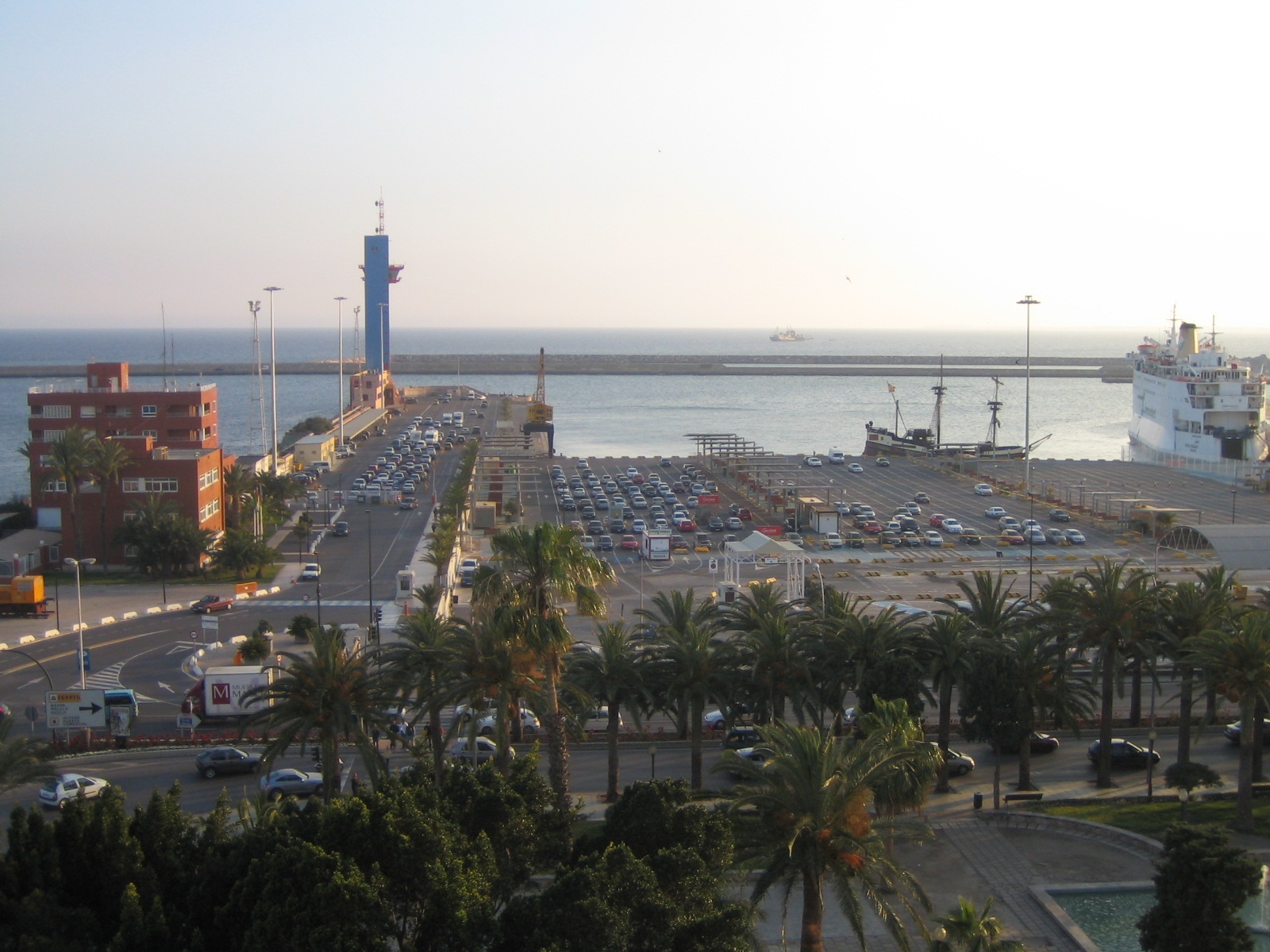
                                                                                   Harbour Of Almeria


File:Panorámica de Almería.jpg
                                                             Panaromica de Almeria


Almería is a city in southeastern Spain, on the Mediterranean Sea. It is the capital of the province of the same name.

The city was founded by Calipha Abd ar-Rahman III of Cordova in 955 AD. It was to be a principal harbour in his extensive domain to strengthen his Mediterranean defences.
Its Moorish castle, Alcazaba, is the second largest among the Muslim fortresses of Andalusia, after the Alhambra.

In this period, the port city of Almería reached its historical peak. After the fragmentation of the Caliphate of Cordova, Almeria continued under powerful local Muslim Taifa emirs like Jairan, the first independent Emir of Almería, Cartagena, and Almotacin, the poet emir. Both Cartagena and Almotacin were fearless warriors, but also patrons of the arts. A silk industry, based upon plantings of mulberry trees in the hot, dry landscape of the province, supported Almería in the 11th century and made its strategic harbour an even more valuable asset. Contested by the emirs of Granada and Valencia, Almería experienced many sieges, including one especially fierce siege when Christians, called to the Second Crusade by Pope Eugene III, were also encouraged to attack the Muslim 'infidels' on a more familiar coast.
On that occasion Alfonso VII, at the head of mixed forces of Catalans, Genoese, Pisans and Franks, led a crusade against the rich city, and Almería was occupied in October 1147. Within a decade it had passed to the control of the puritanical Almoravid emirs,and not until the late 15th century did it fall permanently into Christian hands. The city surrendered to the Catholic Monarchs, Ferdinand and Isabella, on December 26, 1489.

Travel To Spain12: Cordoba

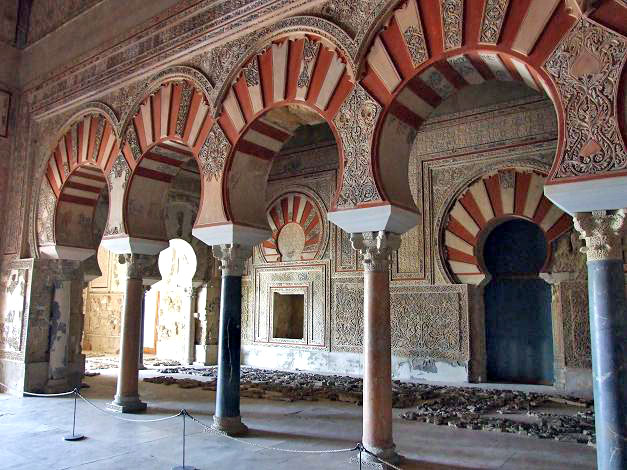
File:Salon Rico 1.jpg

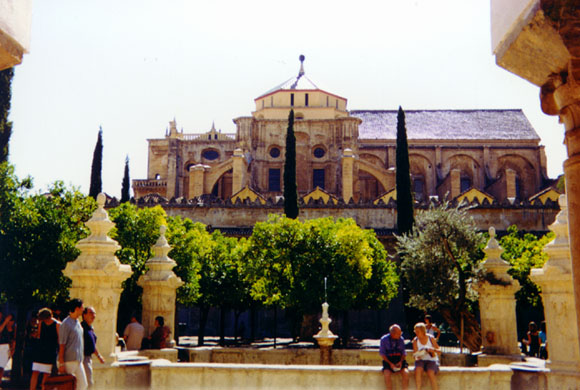
Mezquita Cordoba


Córdoba (also Cordova) is a city in Andalusia, southern Spain, and the capital of the province of Córdoba. An Iberian and Roman city in ancient times. Also in the Middle Ages it was capital of an Islamic caliphate.

The old town contains many impressive architectural reminders of when Corduba, the capital of Hispania Ulterior during the Roman Republic and capital of Hispania Baetica during the Roman Empire; and Qurṭuba (قرطبة) the capital of the Caliphate of Córdoba, governed almost all of the Iberian peninsula.

It has been estimated that in the 10th century and beginning of the 11th century, Córdoba was the most populous city in the world, and during these centuries became the intellectual center of Europe. Today it is a moderately-sized modern city; its population in 2008 was 325,453.


Travel To Spain 11: Gibraltar

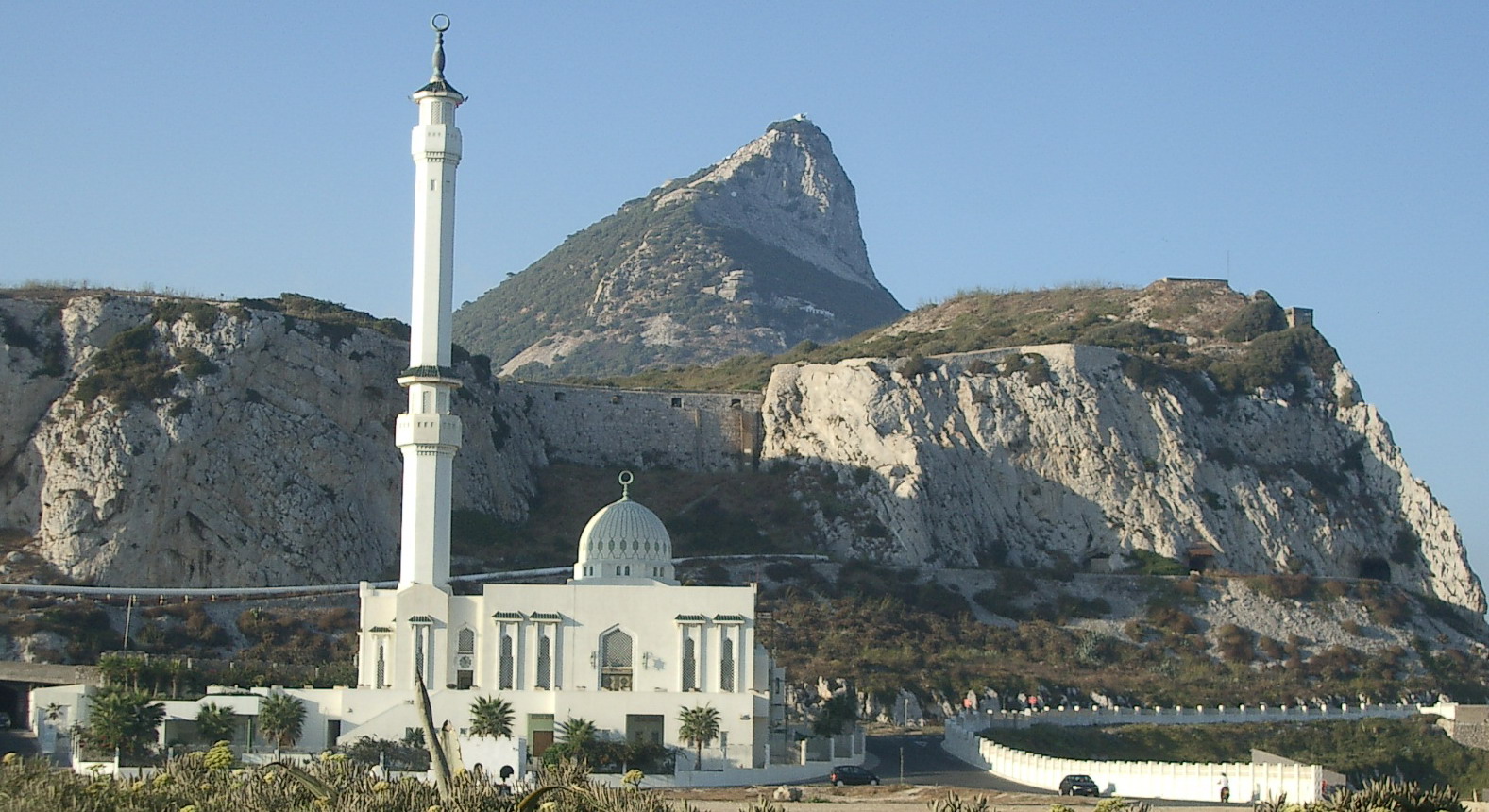
File:Abdulaziz Mosque Gibraltar.jpg

Abdul Aziz Mosque


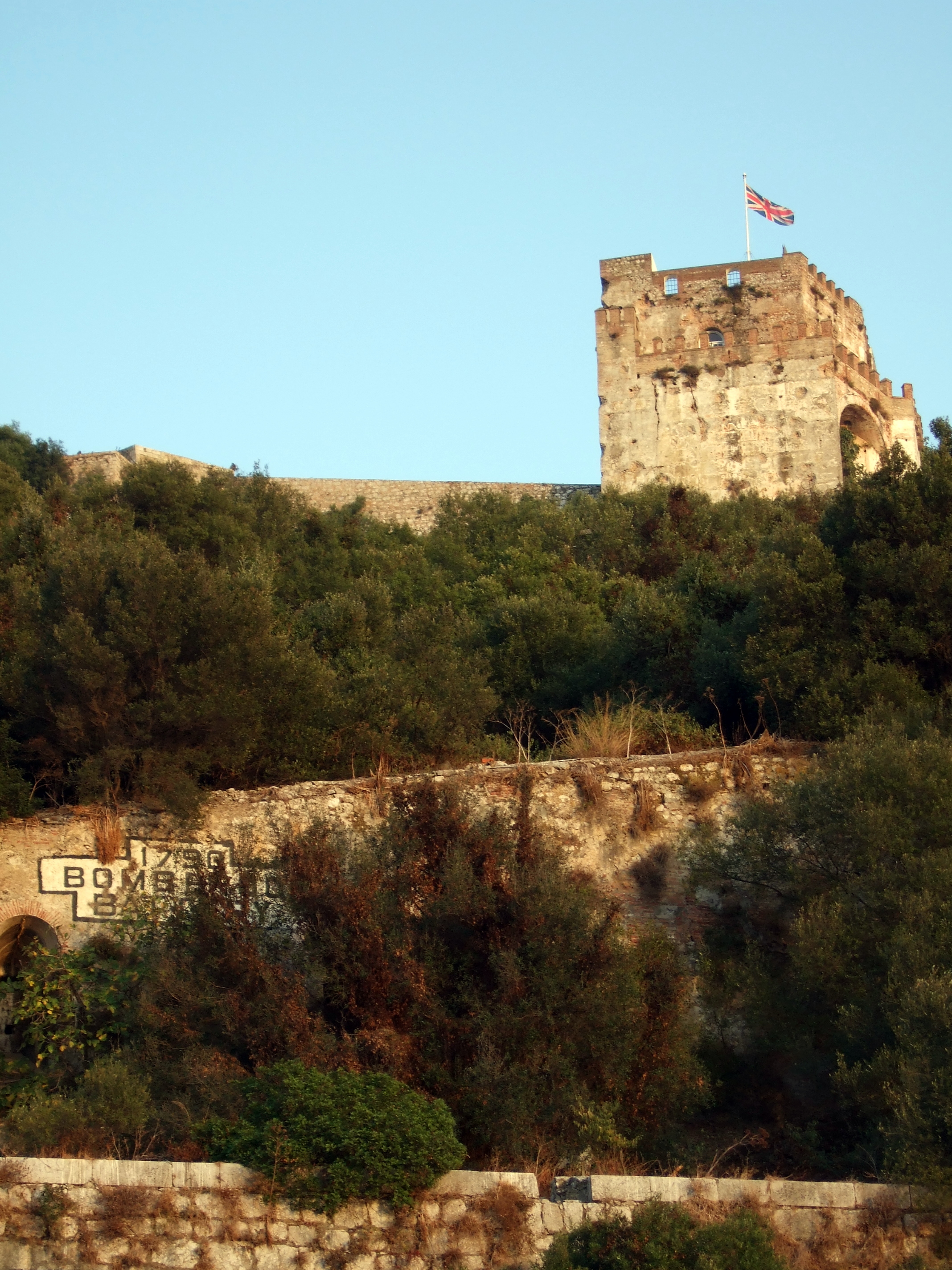
File:The Moorish Castle.jpg
The Moorish Castle


File:Barbary macaque and tourists.jpg

Barbary Macaque (Local Monkey)


File:Rock of Gibraltar northwest.jpg
Rock Of Gibraltar

The name Gibraltar is the Spanish derivation of the Arabic name Jabal Tāriq (جبل طارق), meaning "mountain of Tariq". It refers to the geological formation, the Rock of Gibraltar, which in turn was named after the Berber Umayyad general Tariq ibn-Ziyad who led the initial incursion into Iberia in advance of the main Moorish force in 711 under the command of Umayyad Caliph Al-Walid I. Earlier, it was known as Mons Calpe, one of the Pillars of Hercules. Today, Gibraltar is colloquially referred to as Gib or The Rock.

Evidence of Neanderthal habitation in Gibraltar between 128,000 and 24,000 BCE has been discovered at Gorham's Cave, making Gibraltar the last known holdout of the Neanderthals. Within recorded history, the first inhabitants were the Phoenicians, around 950 BCE. Subsequently, Gibraltar became known as one of the Pillars of Hercules, after the Greek legend of the creation of the Strait of Gibraltar by Heracles. The Carthaginians and Romans also established semi-permanent settlements. After the collapse of the Roman Empire, Gibraltar came briefly under the control of the Vandals. The area later formed part of the Visigothic Kingdom of Hispania until the Islamic conquest of Iberia in 711 CE. Seven centuries of Moorish control ended when Gibraltar was recaptured by the Duke of Medina Sidonia in 1462 as part of the Spanish Reconquista.

After the conquest, King Henry IV assumed the title of King of Gibraltar, establishing it as part of the municipal area of the Campo Llano de Gibraltar. Six years later Gibraltar was restored to the Duke of Medina Sidonia who sold it in 1474 to a group of Jewish conversos from Córdoba and Seville in exchange for maintaining the garrison of the town for two years, after which time the 4,350 Jews were expelled by the Duke as part of the Inquisition. In 1501 Gibraltar passed back to the hands of the Spanish Crown and Isabella I of Castile issued a Royal Warrant granting Gibraltar the coat of arms that it still uses today.


Travel To Spain 10: Marbella

Travel To Spain 9 : Zaragoza

File:View from top of El Pilar.jpg

El Pilar


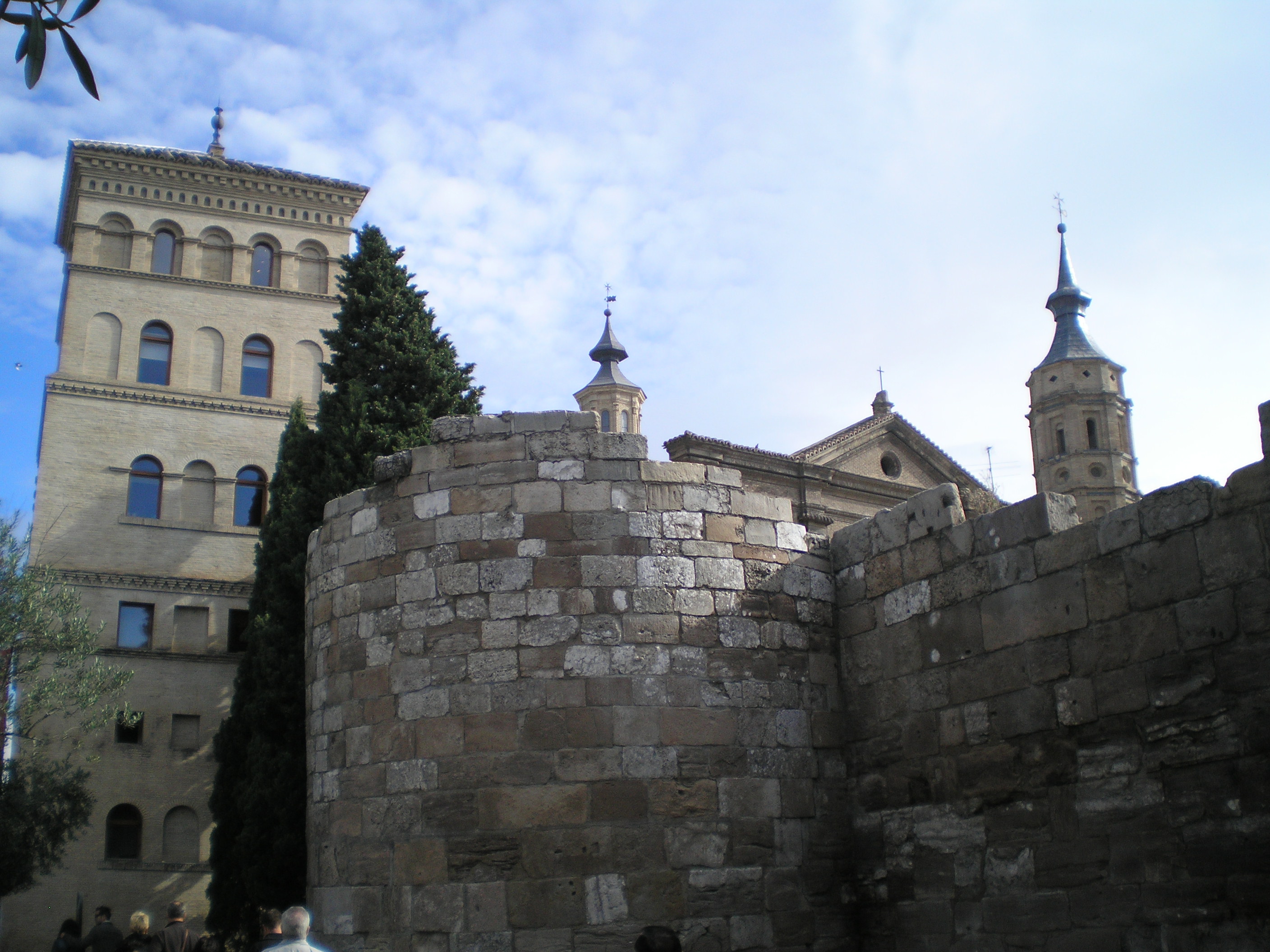
File:Torreón de la Zuda-Muralla.jpg

Roman Walls

File:Basílica del Pilar, Zaragoza, Aragón.jpg

Basilica del Pilar

Zaragoza also called Saragossa in English, is the capital city of the Zaragoza Province and of the autonomous community of Aragon, Spain. It is situated on the Ebro river and its tributaries, the Huerva and Gállego, near the centre of the region, in a valley with a variety of landscapes, ranging from desert (Los Monegros) to thick forest, meadows and mountains.

The population of the city of Zaragoza in 1 September 2010 was 701,090, ranking fifth in Spain. The population of the metropolitan area was estimated in 2006 at 783,763 inhabitants. The municipality is home to more than 50 percent of the Aragonese population. The city lies at an altitude of 199 metres.

Zaragoza hosted Expo 2008 in the summer of 2008, a World's fair on water and sustainable development. It will host another fair in 2014, the upcoming "Flowers Expo", and it is a candidate to be European Capital of Culture in 2016. Zaragoza wants to be a candidate city for the Winter Olympic Games 2022, the project is similar to Torino 2006 and Vancouver 2010. Ice and snow sports in Zaragoza, are popular in the nearby Pyrenees, where many of Spain's best ski resorts are located.

The city is famous for its folklore, a renowned local gastronomy, and landmarks such as the Basílica del Pilar, La Seo Cathedral and the The Aljafería Palace. Together with La Seo and the Aljaferia, several other buildings form part of the Mudéjar Architecture of Aragon which is a UNESCO World Heritage Site. The Fiestas del Pilar are among the most celebrated festivals in Spain.